Chapter V — The Art of Fit
Fit is the difference between dressed and well‑dressed.
An expensive fabric cannot rescue a poor fit, yet a well-fitted trouser in a simple cloth looks quietly impeccable. Fit is a set of relationships — between waist and rise, thigh and knee, hem and shoe. Learn to read them and every trouser you try will tell you whether it is right.
The Field Guide — Ten Points of Fit
Read the trouser from the top down.
Understanding Waist Fit
The waistband should sit securely without a belt and close comfortably without pinching. A simple test: you should be able to slide two fingers flat inside the waistband. If the trouser slips without a belt, it is too loose; if the fabric creases horizontally below the band, it is too tight. A belt should complete the look, not hold the trouser up.
Rise & Proportions
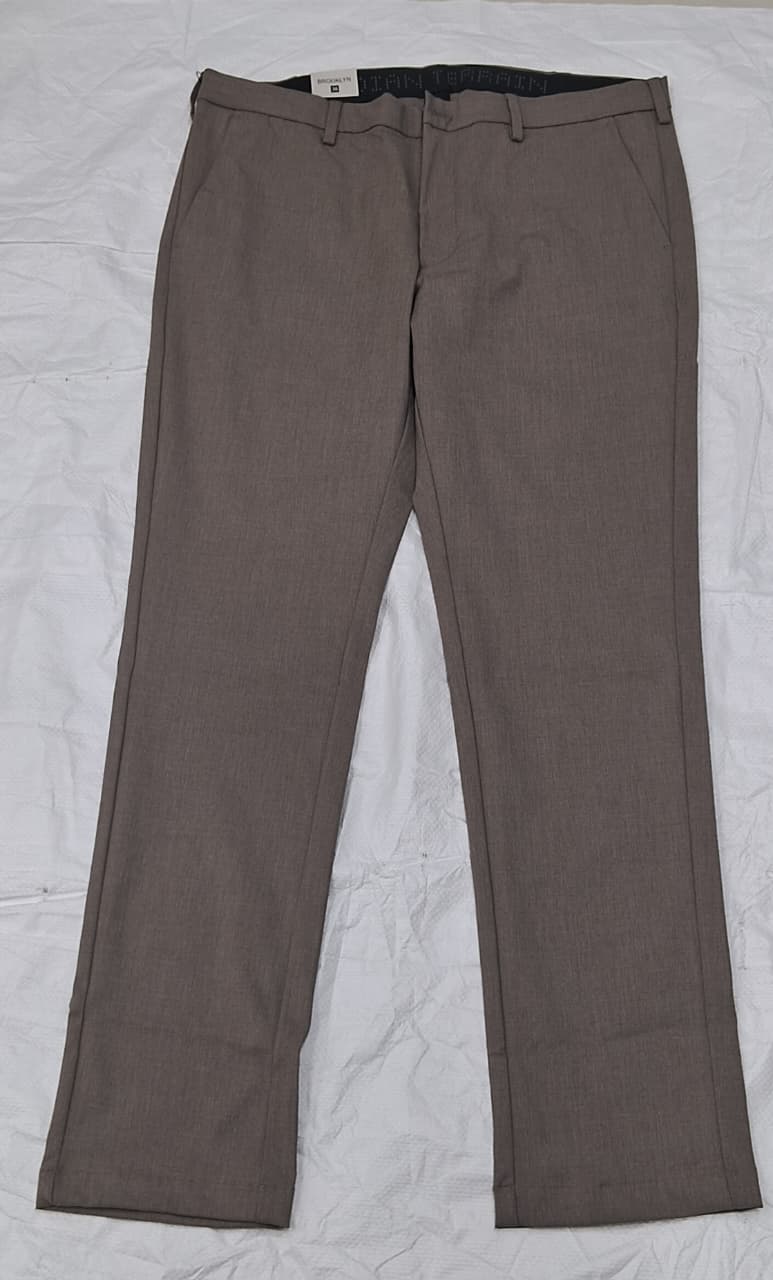
Rise is the distance from the crotch seam to the top of the waistband. A mid rise sits near the natural waist and suits most formal dressing; a higher rise lengthens the leg and works with pleats; a lower rise feels contemporary but shortens the leg line. The crotch should not hang low, nor pull tight when you sit.
Seat & Thigh Fit
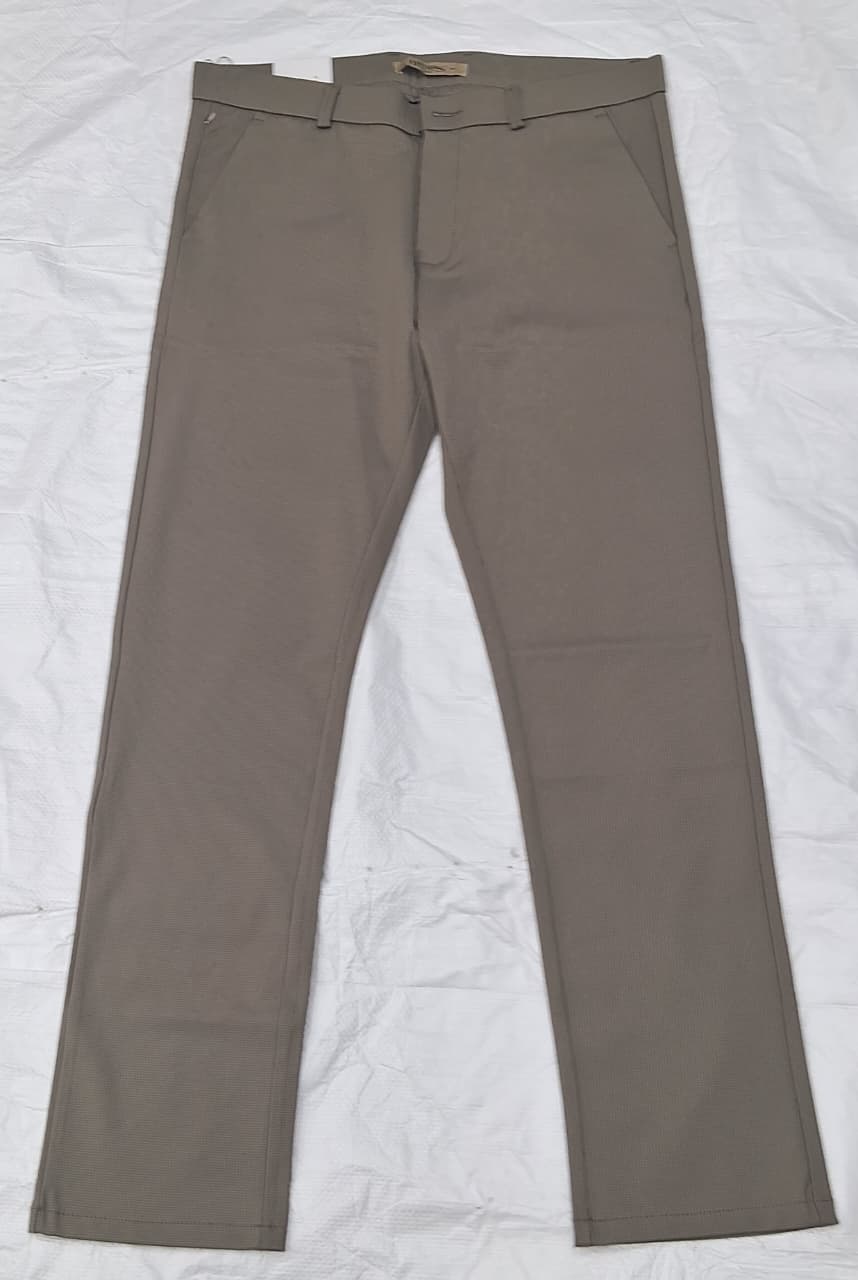
The seat should follow your shape without pulling across the back or sagging below it. Horizontal stress lines indicate tightness; loose folds below the seat mean excess fabric. Through the thigh, you should be able to pinch roughly an inch of cloth on either side. Side pockets that flare open are a sure sign the hip and thigh are too snug.
Knee Measurements
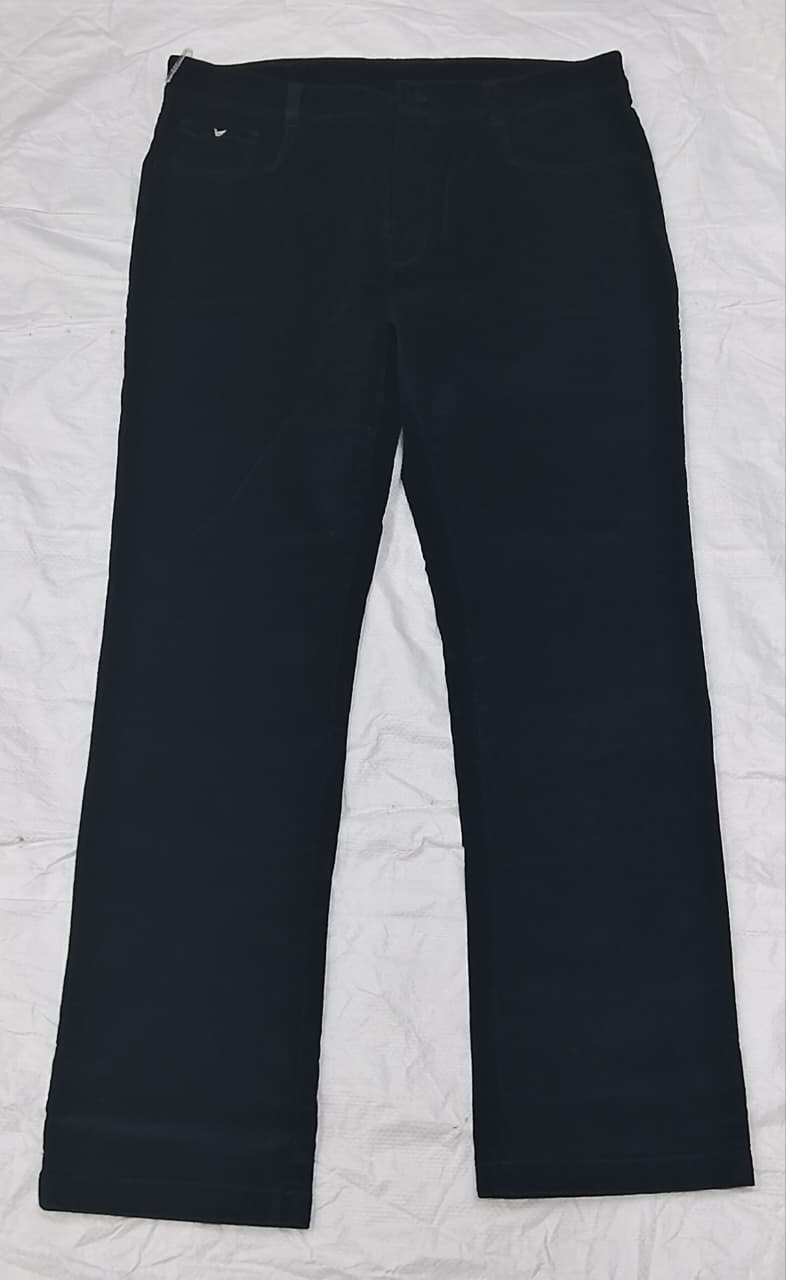
The knee width sets the direction of the lower leg. A narrow knee leads into a slim or tapered line; a wider knee leads into a straight or relaxed line. When you sit, the cloth should not grip the knee; when you stand, it should fall cleanly without bunching above the shin.
Trouser Leg Opening
The leg opening is the hem width. In balance, it covers part of the shoe’s vamp without swallowing it. Slim openings suit sleek shoes and sneakers; moderate openings suit Oxfords and Derbies; wider openings need substantial footwear. Proportion matters too: larger frames generally look better in slightly wider openings.
Trouser Length
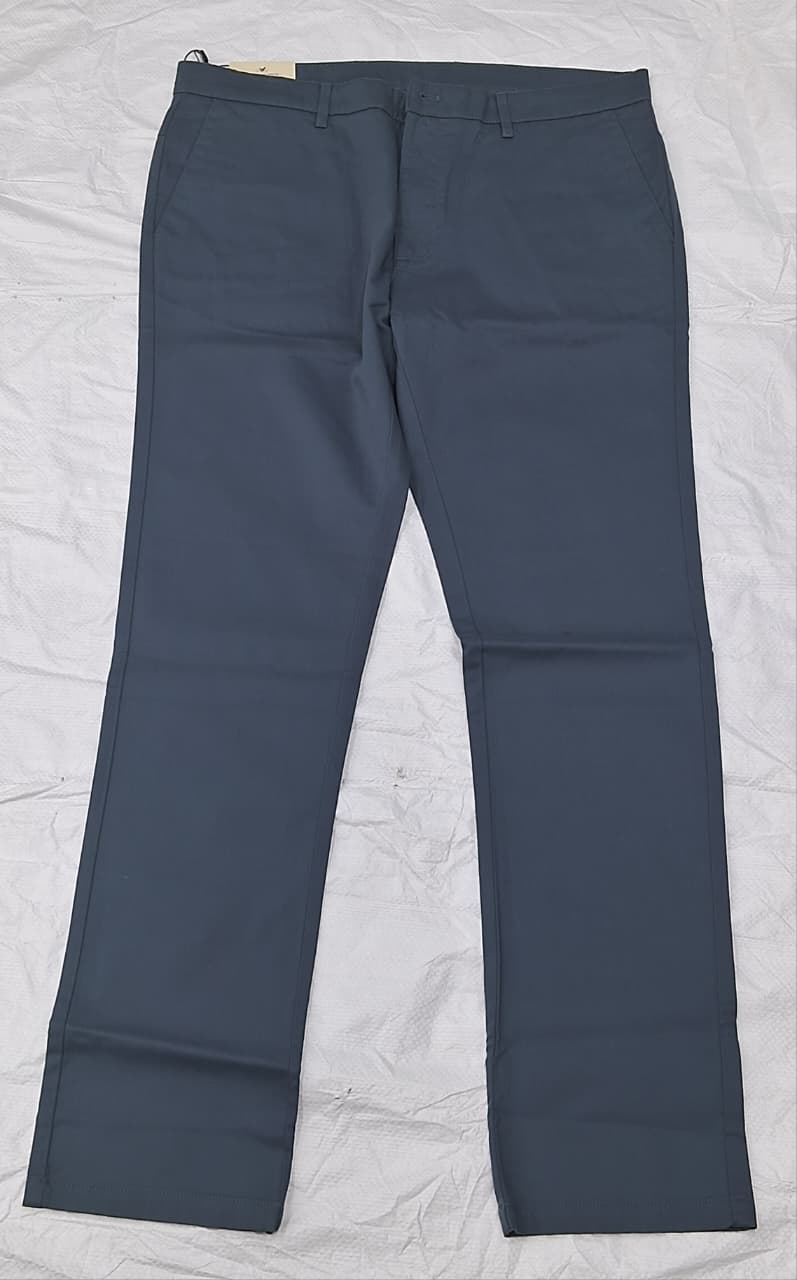
Length is measured along the inseam, from crotch to hem. Check it standing straight, wearing the shoes you intend to pair. The front of the hem should touch or just graze the top of the shoe; the back should sit a little lower, ideally above the heel. Length determines the break — see the study below.
Break & Hem
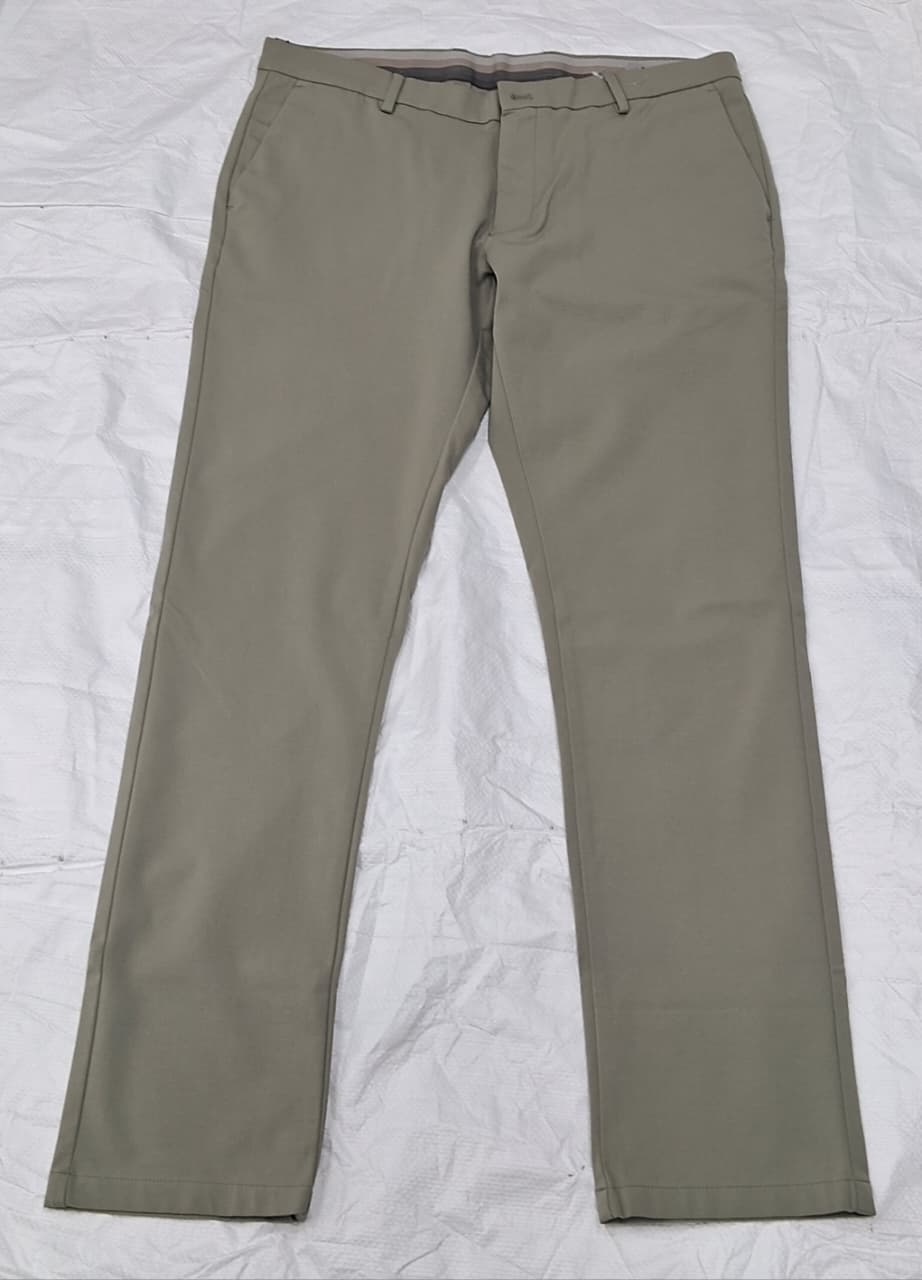
The break is the fold that forms where the trouser meets the shoe. Less break looks sharper and more contemporary; more break looks traditional and relaxed. A plain hem keeps formal trousers clean and minimal; turn-ups (cuffs) add weight to the hem and suit straighter, heavier trousers.
Pleats & Front Construction
A flat front should lie smooth from waistband to crease. Pleats should stay closed when you stand and open only when you sit or move. If pleats pull open at rest, choose a larger waist or seat; if a flat front shows diagonal creases toward the crotch, the rise or seat needs more room.
Formal Trouser Proportions
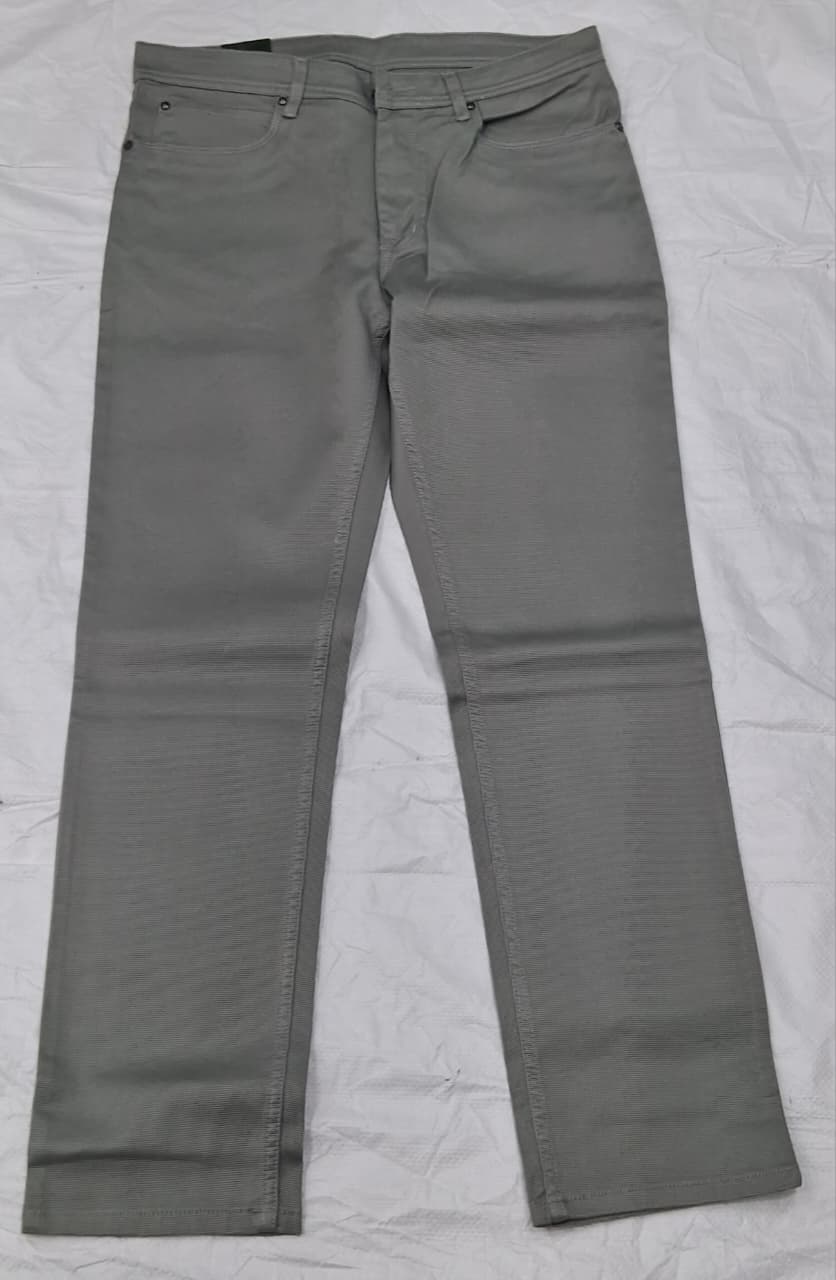
Proportion links the trouser to the rest of you. Taller men can carry fuller cuts, higher rises and turn-ups; shorter men benefit from a mid rise, a slim-straight leg, minimal break and tonal shoes, all of which lengthen the line. Broader builds look best with straight or regular legs that balance the shoulders.
Matching Fit with Shirts & Footwear
Fits should agree with one another. A slim trouser pairs with a slim or tailored shirt; a regular trouser with a regular shirt that tucks without excess. Shoes should match the leg’s weight: sleek loafers and Chelsea boots under slim cuts, Oxfords and Derbies under straight and regular cuts, sturdier brogues under fuller legs.
The Break Study
Four ways to meet the shoe.
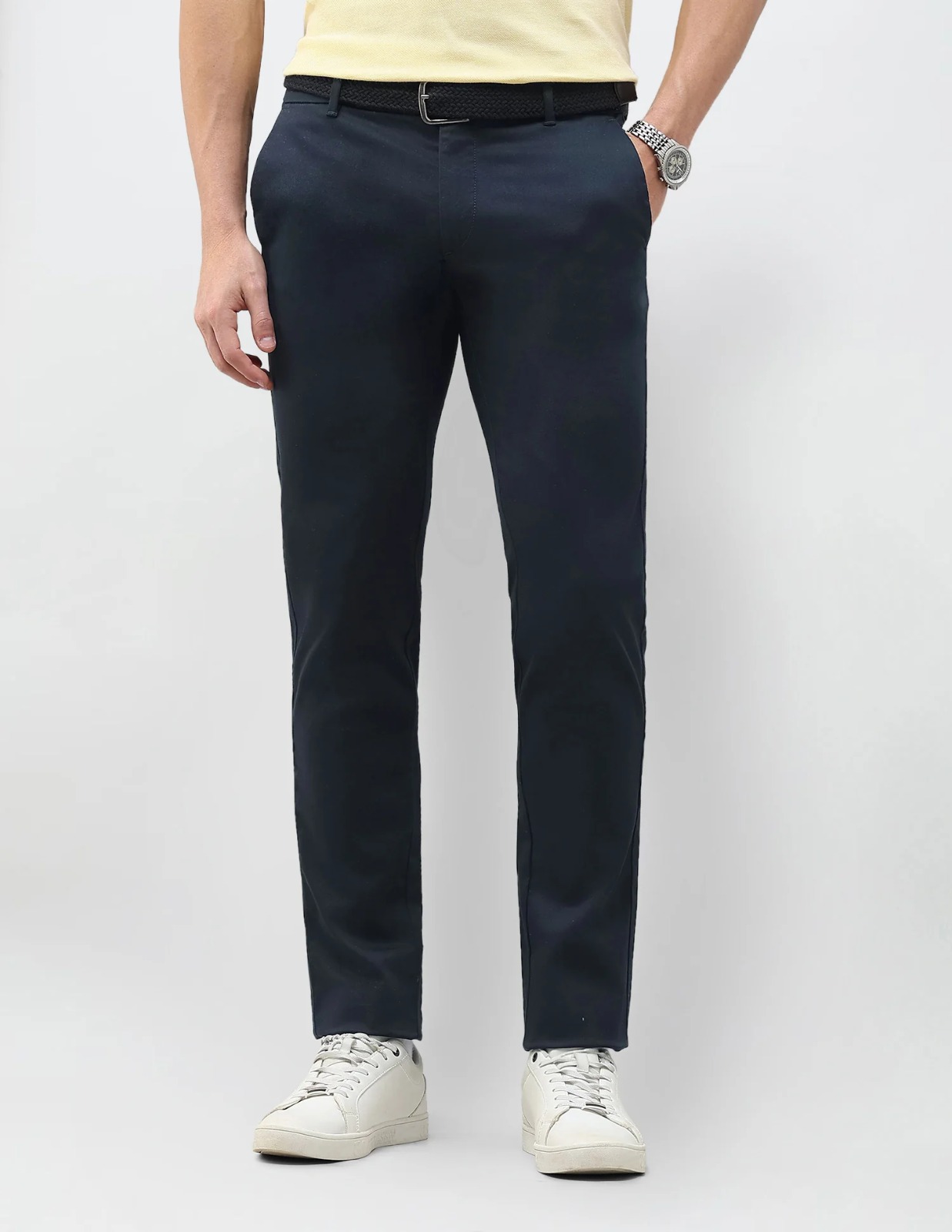
The diagrams define each break precisely; the photographs show the effect in real wear.
-
No Break
The hem stops at or just above the top of the shoe, with no fold. Crisp and contemporary — ideal for slim and tapered trousers, loafers and warm weather.
-
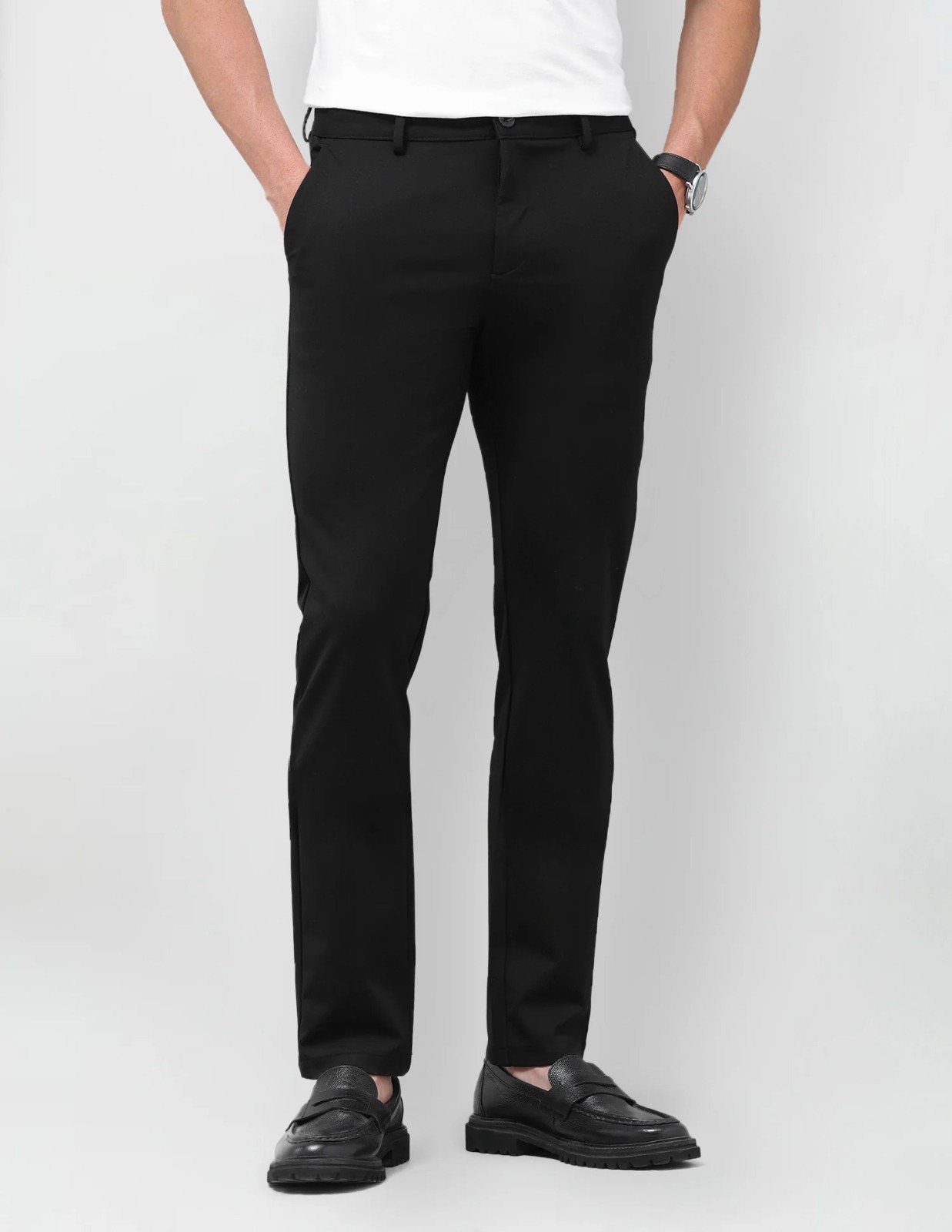
Slight Break
The hem rests lightly on the shoe, creating a single subtle dimple at the front. The most versatile choice for modern office wear.
-
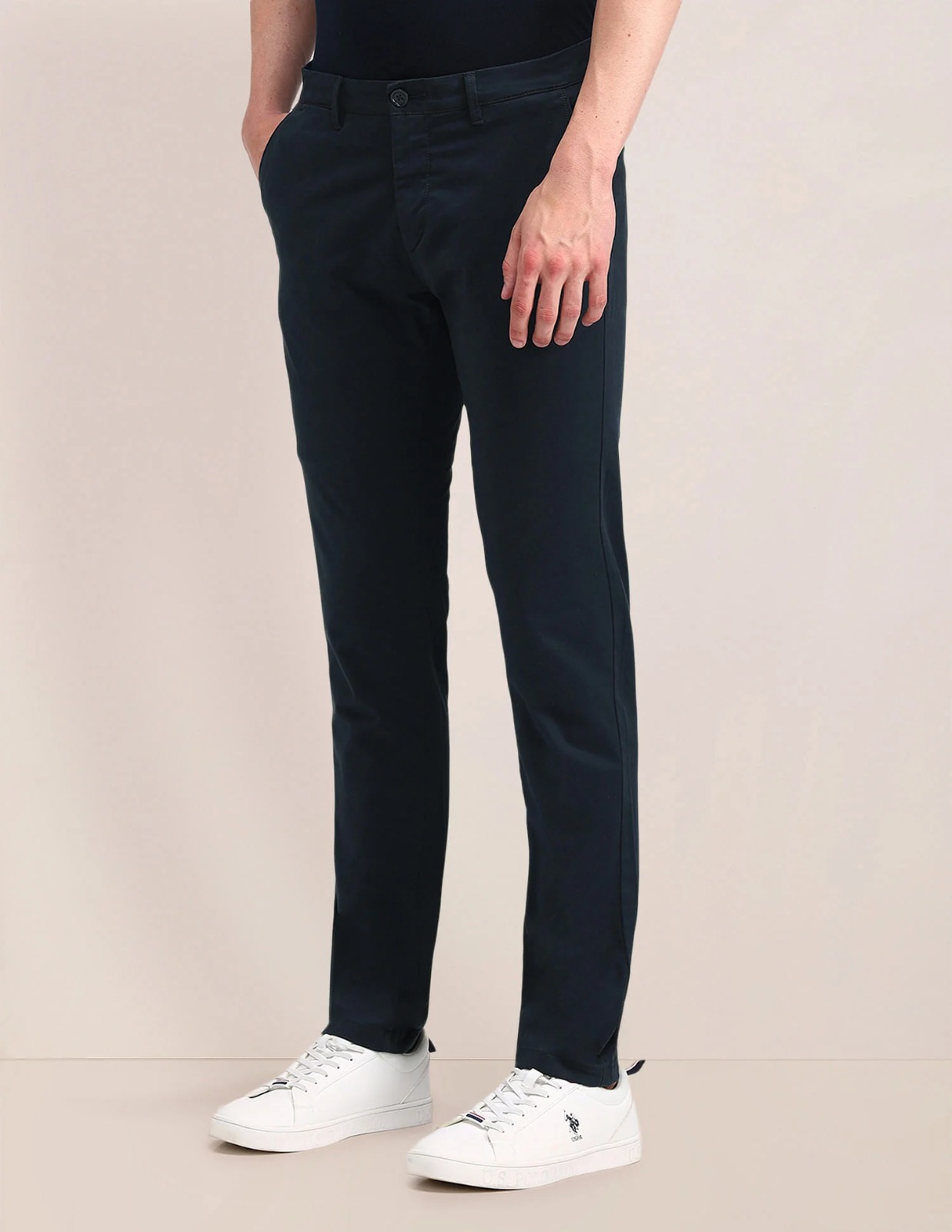
Medium Break
One clear horizontal fold forms above the shoe. Traditional and comfortable — well suited to regular and straight fits and to classic business dress.
-
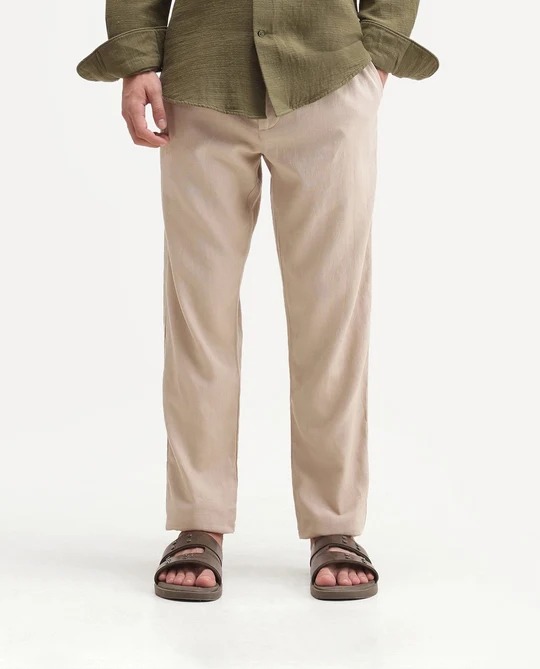
Full Break
Deeper folds, with the hem covering much of the shoe. A classic, relaxed look for fuller and pleated trousers; avoid it with slim cuts, where the cloth pools.
Practical Guidance
Seven tests before you choose.
Take a few minutes with each pair you try. These simple checks tell you more than the size label ever will.
- The stand test. Stand naturally in front of a mirror, wearing your usual shoes. Look for a clean, vertical crease and a smooth front.
- The sit test. Sit down fully. The waist should not dig in, the seat should not strain, and the hem should not ride far above the ankle.
- The pocket test. Side pockets should lie closed. Gaping pockets mean the hip is too tight.
- The two-finger test. Two fingers should slide flat inside the waistband with no slack beyond.
- The pinch test. Pinch about an inch of fabric at the thigh. Less is too tight for formal wear; much more looks baggy.
- The walk test. Walk a few steps and climb a stair if possible. The cloth should move with you and fall back into line.
- The view from behind. Check the seat and hem in a side or rear mirror — the back hem should sit just above the heel.